
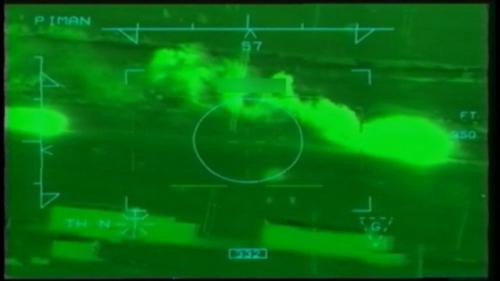
It is great to see NATO utilizing amphibious platforms for fires in OUP. Their ability to reposition along the coast adds additional flexibility, surprise, and sustainability to the campaign. However, flying attack helicopters in a combat zone still flush with AAA and manpads is a fairly high risk tactic, even if they only fly at night. Presumably the pay-off will be higher precision and lower collateral damage than tacair strikes. Perhaps more importantly, the use of rotary wing fires allows NATO countries that have expended large portions of their limited (compared to the US) precision guided munition inventories to utilize cheaper hellfires and 30mm ammunition to hit the same sorts of targets, thus keeping them in the fight longer. Given Ghadafi's resiliency to date (no surprise there -- he's playing right out of the Arab Dictator's Book of How to Survive a Western Air Campaign) the coalition is going to have to hang together for many more months.
The opinions and views expressed in this post are those of the author alone and are presented in his personal capacity. They do not necessarily represent the views of U.S. Department of Defense, the US Navy, or any other agency.

No comments:
Post a Comment