
On the face of it, the DARPA request is actually more reasonable - it's nothing more than wanting to combine current SOF insertion methods in a single vehicle. However head-scratching the engineering requirements, SOF does currently fly, boat and swim (and use submarines, from SDVs to SSGNs) to reach shore. The Marine's SUSTAIN, on the other hand, takes the already-difficult but practiced spaceflight milieu and tacks on several things that make it even more unlikely - two-hour response time being the primary problem.
 I bring these up because recent discussion here of NSFS brought up the excellent point of how forced entry capabilities fit into the U.S.'s strategy and goals moving into the future. If we take these two programs as an example, we have two services pushing for smaller-scale less-warning entry options as opposed to pushing for capabilities that support conventional forced-entry ops - and being willing to go to the 'frontier' (heh heh) of plausibility to do it.
Does this mean the services themselves see large-scale entry operations being less of a priority? Or is this normal blue-skying (heh heh too) - low-percentage but potentially high payoff attempts at transforming their mission areas?
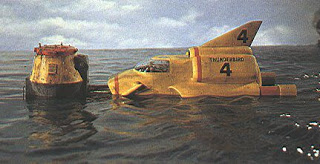
Couldn't resist the Thunderbirds 4 pic, or the Starship Troopers and Bond references. Forgive me. More Serious Mien returns after this post.

No comments:
Post a Comment